 ⚽
⚽
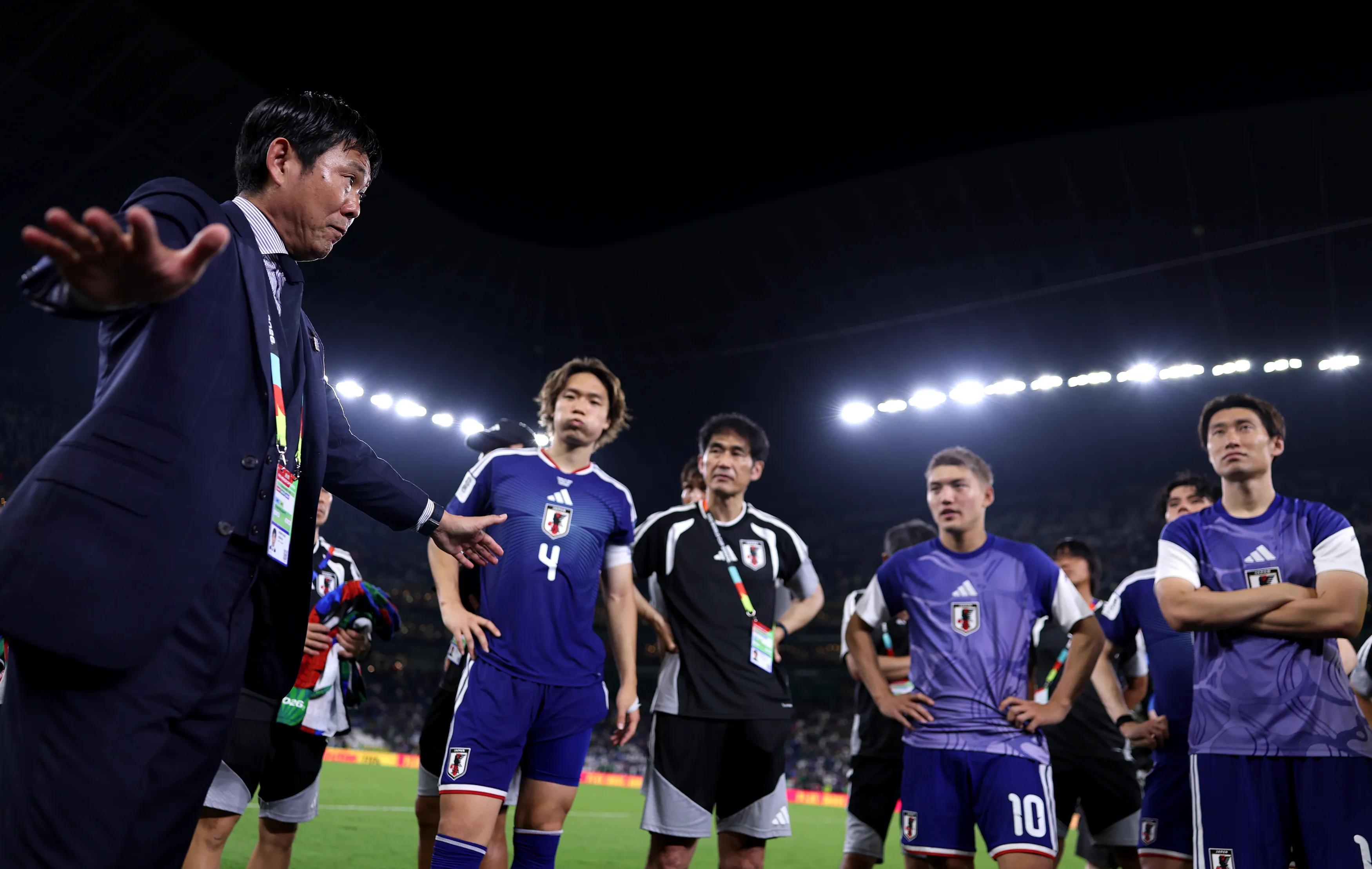
The 1,000th match in FIFA World Cup™ history deserved a performance for the ages — and Japan delivered exactly that with a devastating 4-0 obliteration of Tunisia that will be etched into football immortality. Ninety-six years after the inaugural tournament in 1930, the Samurai Blue marked this milestone encounter by producing the most dominant display ever witnessed from an Asian nation on football's grandest stage. Tunisia, reeling from a coaching change after their opening fixture, were never permitted a moment's respite as Hajime Moriyasu's relentless warriors seized control from the opening whistle and never relinquished it. This was no ordinary victory — it was a statement of monumental proportions. Japan became the first Asian nation to win a World Cup match by a four-goal margin, shattering a barrier that had stood since the tournament's inception. Yet for all the apparent dominance, the Samurai Blue knew better than anyone the curse that had haunted them. Competing in their eighth consecutive World Cup, their only previous triumph in a second group-stage match came on home soil in 2002. Even during their miraculous Qatar 2022 campaign — where they toppled both Germany and Spain — they stumbled against Costa Rica in that dreaded second fixture. Having battled to a dramatic stalemate with the Netherlands in their opener, Moriyasu's men approached this fixture with the utmost reverence for the challenge. Yuto Nagatomo, appearing in his fifth consecutive World Cup, delivered a stirring pre-match address that cut straight to the heart of the matter: "I've been to four World Cups and I've never won the second game. After the opening match, there's always a tendency to lose a little focus." His message burned with clarity — Japan had to rewrite their own history. When the final whistle confirmed their first second-match victory in 24 years, the players spoke of an enormous weight lifting from their shoulders. The ghosts of past disappointments had finally been exorcised in the most spectacular fashion imaginable, on the most historic of stages.